
How to Spot a Property with Development Potential Before Everyone Else

The best property investments rarely look perfect on day one.
Many of the UK's most successful developments begin as buildings that most buyers overlook. They may appear outdated, poorly configured, or simply underused. Experienced investors don't see problems. They see opportunities to create value.
Knowing how to recognise property development potential before everyone else can make the difference between an average investment and an exceptional one.
Look Beyond the Current Condition
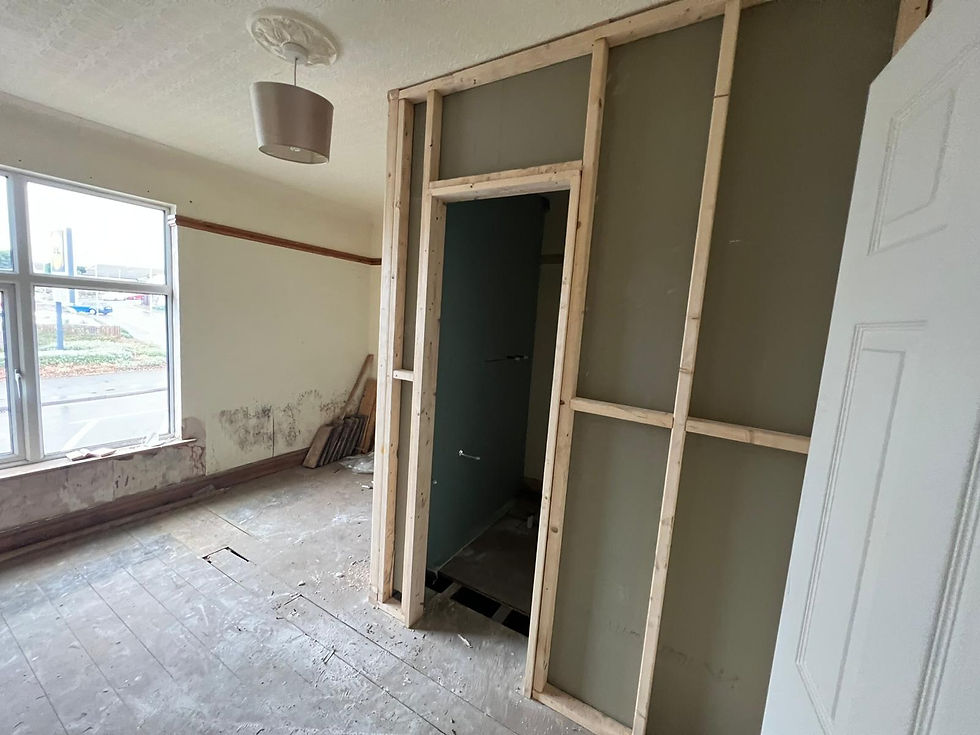
One of the biggest mistakes new investors make is judging a property solely on its appearance.
A tired interior, dated décor or neglected garden often discourages typical buyers, reducing competition. Cosmetic issues are usually far cheaper to fix than structural or planning constraints.
Instead of asking:
"Would I live here?"
Ask:
"What could this become?"
Often, the greatest value comes from improving what's already there rather than starting from scratch.
Consider the Plot Size
The building itself is only part of the investment.
Large side gardens, oversized rear gardens and generous corner plots may offer opportunities for:
Extensions
Loft conversions
Additional dwellings
Garden developments
Parking improvements
Extra land can significantly increase future development options.
Study Local Planning Policy
Planning policy shapes almost every successful development.
Research your local authority's guidance on:
Housing targets
Commercial conversions
HMOs
Conservation areas
Permitted development rights
Areas actively encouraging new housing often present more opportunities than locations with restrictive planning policies.
Property development potential often depends on planning
Understanding local planning policy before making an offer can prevent expensive mistakes and reveal opportunities that less experienced buyers miss.
Follow Local Demand
Development should always solve a genuine housing need.
Ask yourself:
Are professionals moving into the area?
Is there demand for family homes?
Are employers expanding nearby?
Are transport links improving?
Is rental demand increasing?
The strongest investments align with long-term demand rather than short-term trends.
Think Creatively
Some of today's most successful projects started life as:
Former pubs
Offices
Shops
Care facilities
Warehouses
Large family homes
Alternative uses often unlock substantial value where traditional buyers see limitations.
Don't Ignore the Numbers
Exciting ideas still need to work financially.
Always estimate:
Purchase price
Refurbishment costs
Professional fees
Finance costs
Stamp Duty
Contingency
Expected end value
A profitable project depends on careful analysis rather than optimism.
Final Thoughts
Successful investors don't simply buy good properties. They identify opportunities hidden within ordinary buildings.
By understanding planning policy, analysing local demand, evaluating development options and carefully assessing the numbers, you'll be far more likely to uncover investments with genuine long-term potential.
The earlier you recognise that potential, the fewer people you'll be competing against.



Comments